
Display Articulated Figures in Collector Cases: Setup Guide
Learn practical steps to display articulated figures in collector cases. Fusion Dynamix shares Houston studio tips for premium finish pieces that arrive ready
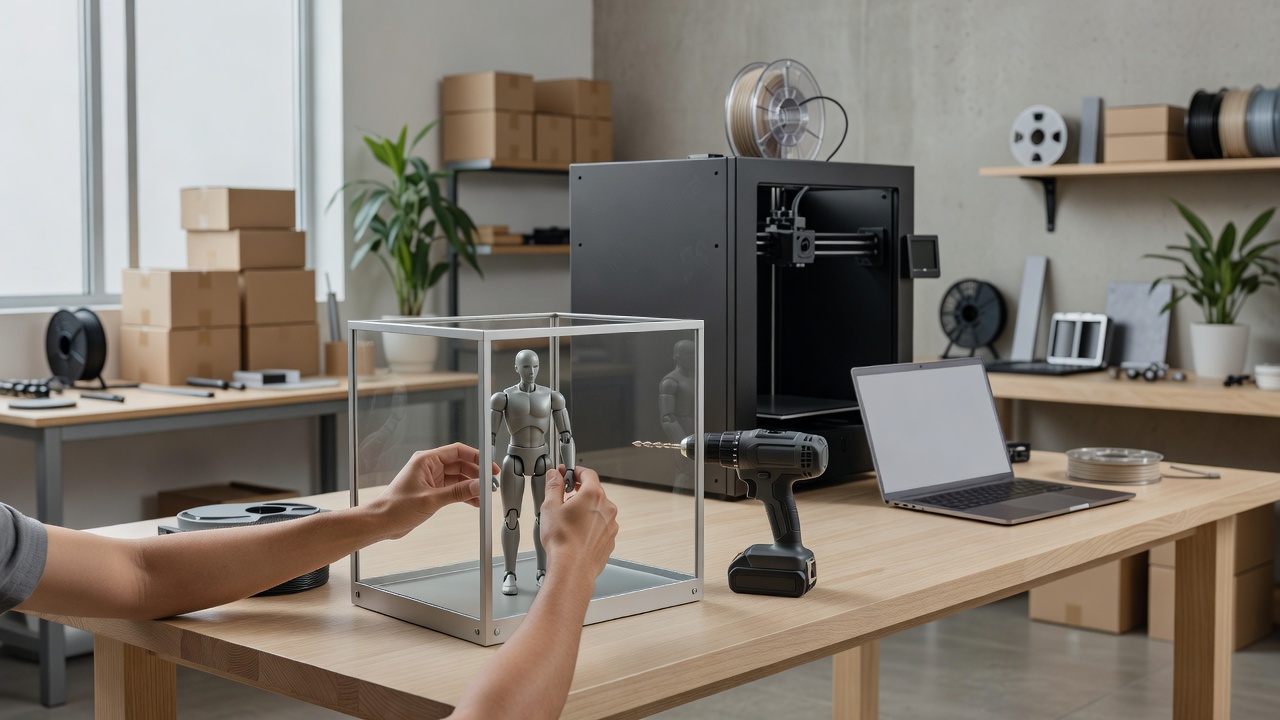
Collectors often struggle with keeping articulated figures stable and visible inside standard cases. Proper placement protects joints while highlighting the premium finish on each piece. Fusion Dynamix produces these figures in its Houston studio and ships them ready to pose.
Key takeaways
- Choose cases with adjustable shelving to match figure scale.
- Position figures at eye level for daily viewing.
- Control light and dust to preserve surface quality.
- Add subtle risers or bookends for layered arrangements.
- Rotate poses every few months to reduce joint stress.
Selecting the Right Collector Case Size
Measure each figure in its most common pose before purchase. Allow at least two inches of clearance around limbs to prevent contact with glass or walls. Cases with removable shelves work best for seasonal rearrangements. Depth and height must account for both standing and dynamic poses that collectors favor.
- Standard 12-inch figures fit most 18-inch-deep cabinets.
- Larger 18-inch builds need 24-inch depth minimum.
- Acrylic cases reduce weight compared with glass options.
- Sealed doors limit dust accumulation on premium finish surfaces.
- Internal LED strips provide even illumination without heat buildup.
- Width should exceed figure shoulder span by four inches for side movement.
- Corner units allow angled displays that maximize visibility in small rooms.
Positioning Figures for Stability and View
Place the heaviest figures on the bottom shelf first. Stack lighter pieces above using small risers. Keep articulated joints away from direct contact with case edges. This arrangement lowers the center of gravity and reduces tipping risk during door openings.
- Face main joints toward the viewer for easy pose changes.
- Angle arms and legs slightly forward to create depth.
- Use museum wax on base feet for added hold during transport.
- Group figures by theme such as sci-fi or sports mashups.
- Leave space between each piece for future additions.
- Align heads at consistent eye level across multiple shelves.
- Test stability by gently shaking the case before sealing.
Guidelines from the American Alliance of Museums recommend regular inspections for moving parts. Fusion Dynamix figures arrive with flat, weighted bases that suit this approach.
Lighting Choices That Protect Premium Finish
Direct sunlight fades colors over time. Use low-heat LED strips set to 3000K for warm, even light. Position lights above or behind the case to reduce glare on glossy surfaces. Collectors report better color retention when lights remain off during daylight hours.
- Install dimmers to adjust brightness for evening viewing.
- Avoid halogen bulbs that generate excess heat.
- Clean LED covers monthly to maintain consistent output.
- Test light angles before final placement.
- Choose 4000K cool white only for metallic accents.
- Limit daily exposure to eight hours to slow material aging.
Adding Risers and Bookends for Layered Displays
Risers create visual tiers inside a single case. 3D printed bookends from the Houston studio offer precise height options that match figure scales. Compare options in this 3D Printed Bookends Comparison for Collector Shelves. Layering prevents a flat appearance and allows smaller figures to remain visible behind taller ones.
- Acrylic risers in 1-inch increments suit most 12-inch figures.
- Wooden bookends provide contrast against plastic prints.
- Custom commissions allow exact color matching to team themes.
- Magnetic risers simplify seasonal rearrangements.
- Foam risers absorb minor vibrations from nearby traffic.
Dust and Humidity Management
Dust settles quickly on articulated joints. Wipe cases weekly with microfiber cloths. Keep relative humidity between 40 and 50 percent to protect both plastic and paint layers. Excess moisture can cause swelling at connection points over several years.
- Use silica gel packs inside sealed cases.
- Replace packs every six months.
- Vacuum case tops monthly to reduce airborne particles.
- Store extra figures in climate-controlled closets when rotating displays.
- Monitor with a digital hygrometer placed inside the case.
The Getty Conservation Institute provides detailed advice on controlling environmental factors for plastic objects.
Seasonal Rotation and Maintenance Schedule
Rotate figures every three months to prevent joint fatigue. Check for loose connections after each move. Clean surfaces with mild soap and water only. Keeping a simple log helps track which poses have been used most recently.
- Inspect joints for wear during each rotation.
- Reapply museum wax as needed.
- Photograph current setups for reference.
- Update lighting timers with daylight changes.
- Record any new additions in a simple inventory list.
- Tighten any screws or pins that have loosened.
Star Wars enthusiasts can explore seasonal options through this Holiday Mashups Collectors Seek for Star Wars Displays.
Protecting Articulated Joints Over Time
Long-term display requires attention to mechanical stress points. Avoid locking joints in extreme angles for months at a time. Instead, return figures to neutral positions during storage periods. Fusion Dynamix prints use durable filaments that resist cracking when handled correctly.
- Check shoulder and hip sockets for hairline stress marks quarterly.
- Apply a light silicone lubricant to moving parts twice a year.
- Never force a joint past its designed stop point.
- Replace worn pins with matching 3D printed spares from the studio.
- Document original pose photos to restore after cleaning.
Comparison of Common Display Methods
| Method | Stability | Dust Control | Cost Range | Best For |
|---|---|---|---|---|
| Open shelves | Low | Low | Low | Quick access |
| Closed acrylic cases | High | High | Medium | Premium finish preservation |
| Wall-mounted shadow boxes | Medium | Medium | Medium-High | Small figure groups |
| Custom Houston studio cases | High | High | Custom | Exact scale matches |
Working with Custom Commissions from Houston
Fusion Dynamix accepts commissions for unique display accessories such as custom risers or themed backdrops. All prints receive hand-checked quality before shipping from Houston, TX in 3–7 business days. View the process in this Custom Sci-Fi Prop Commissions from a Houston Studio.
- Submit measurements and preferred colors for exact fits.
- Request matching finishes to existing figures.
- Receive tracked shipments nationwide.
Conclusion
Start by measuring your current figures and selecting one case upgrade this month. Order matching risers or bookends directly from Fusion Dynamix to complete the setup. Consistent rotation and cleaning will keep every piece looking new for years.
Next steps
- Measure three figures you display most often.
- Order one sealed case with LED lighting.
- Request a custom riser quote from the Houston studio.
- Schedule the first rotation date on your calendar.
- Share photos of the finished case for community feedback.
FAQ
What case depth works best for 12-inch articulated figures?
Eighteen inches of depth provides clearance for most poses while allowing two inches of buffer on each side.
How often should I rotate figures to protect joints?
Every three months prevents stress on the same articulation points and keeps the display fresh.
Can I use regular household cleaners on premium finish prints?
Mild soap and water on a soft cloth is sufficient. Avoid abrasive pads or solvent-based products.
Do Houston studio prints require special humidity controls?
Maintain 40 to 50 percent relative humidity with silica packs inside sealed cases for best long-term results.
Where can collectors find matching display accessories?
Fusion Dynamix offers custom risers and bookends made to order with the same premium finish as the figures themselves.