Houston Prints for Engineering Students: Custom Solutions
Houston prints for engineering students deliver precision builds for lab projects. Fusion Dynamix provides custom commissions with premium finish made in Hous
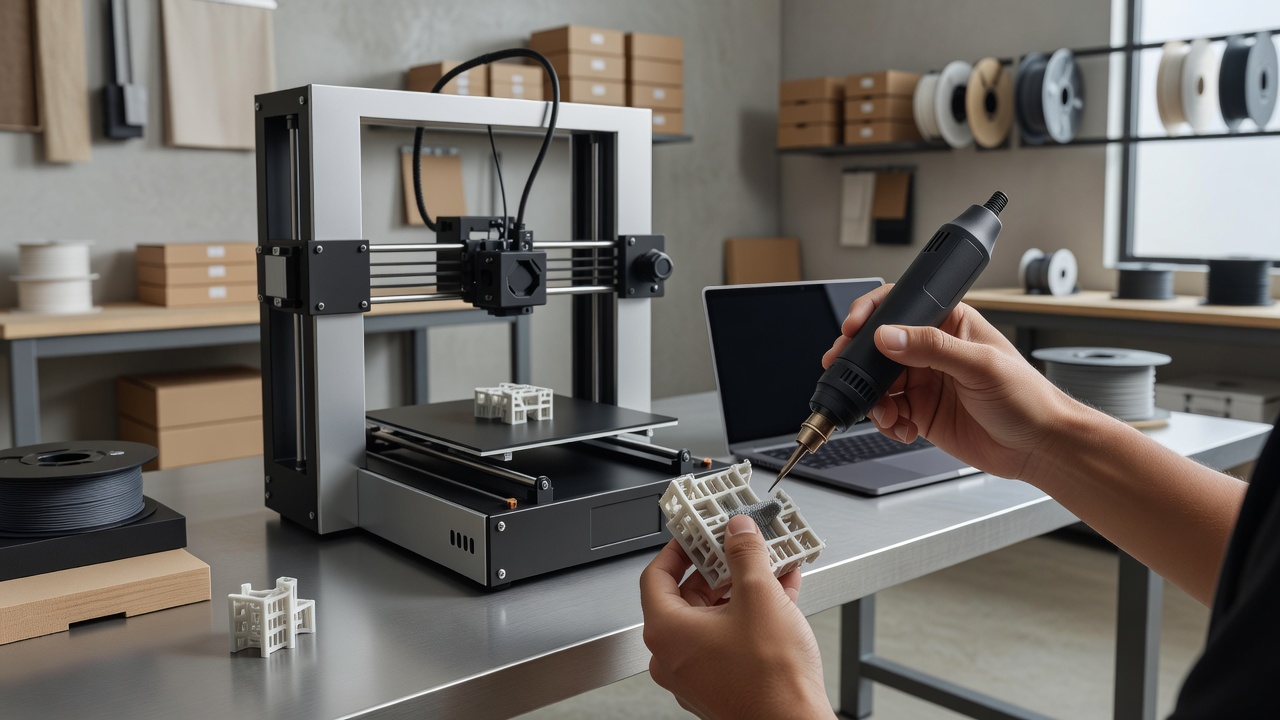
Engineering students often need custom fixtures and prototypes that standard suppliers cannot deliver quickly. Houston prints for engineering students from a local studio address this gap with hand-checked parts tailored to specific project requirements.
Fusion Dynamix produces these items in-house and ships them nationwide. The process starts with a quote and ends with a ready-to-use component.
Key takeaways
- Custom parts arrive in 3–7 business days
- Every print receives hand inspection before shipping
- Materials support both functional testing and display needs
- Orders originate from a Houston studio rather than distant facilities
- Students receive direct communication throughout the project
Why Houston Prints for Engineering Students Fit Academic Timelines
University deadlines often leave little room for delays. A Houston studio can produce small-batch items without the queue times common at larger facilities. Students gain access to precision builds that match exact CAD files.
This approach works well for one-off fixtures or test rigs. The same service supports repeated orders when projects evolve. Teams balancing multiple courses benefit from direct quotes that outline exact turnaround windows.
Steps to Request a Custom Commission
- Prepare your CAD file or sketch with dimensions noted.
- Submit the request through the studio contact form.
- Receive a quote that includes material and finish options.
- Approve the design details and turnaround window.
- Track the shipment once production begins.
These steps keep the process straightforward for students managing multiple courses. Additional follow-up occurs if any tolerance questions arise during review.
Materials Suitable for Student Lab Work
- PLA for quick visual models and low-stress fixtures
- PETG for parts exposed to moisture or mild chemicals
- ABS for items requiring higher impact resistance
- Nylon blends for flexible joints or moving assemblies
- Specialty filaments for high-temperature test environments
Each material ships with a premium finish that reduces post-processing time. Students can reference NIST guidelines on additive manufacturing when selecting filaments for functional testing.
Houston Studio Prints Versus University Lab Options
Students sometimes compare local studios with campus resources. The table below outlines typical differences.
| Aspect | Houston Studio | University Lab |
|---|---|---|
| Turnaround | 3–7 business days | 2–4 weeks depending on queue |
| Customization | Full design adjustments available | Limited to standard equipment |
| Quality check | Hand inspection on every part | Varies by student operator |
| Shipping | Tracked nationwide from Houston, TX | Often local pickup only |
| Material range | Wide selection updated regularly | Restricted to lab inventory |
Houston lab prints vs university options provides additional context for teams deciding between sources.
Quality Assurance for Precision Builds
- Layer height set to 0.1–0.2 mm for visible surfaces
- Infill density adjusted to 20–40 % for most functional parts
- Support removal completed before final inspection
- Dimensional checks against original file tolerances
- Surface sanding applied where specified
These steps ensure parts meet the standards expected in engineering coursework. Further details appear in resources such as ASME topics on additive manufacturing.
Trade-offs Between Material Choices for Student Prototypes
Choosing the right filament involves balancing strength, print time, and cost. PLA offers fast production but limited heat resistance. PETG provides better durability for wet environments yet requires slower print speeds. ABS withstands higher impacts but demands careful ventilation during production. Nylon suits flexible mechanisms while specialty high-temperature filaments add expense for extreme tests.
- Review project temperature exposure first
- Match chemical compatibility to lab fluids
- Factor in post-print sanding time
- Consider color needs for presentations
- Test small samples before full runs
Houston studio prints for research labs shows how similar decisions apply beyond coursework.
Common Project Types Handled by the Studio
- Custom test fixtures for fluid dynamics experiments
- Mounting brackets for sensor arrays
- Enclosures for electronics prototypes
- Replacement components for older lab equipment
- Display models for senior design presentations
Each project receives the same attention to detail regardless of scale. Students often combine these with articulated components for moving demonstrations.
Shipping and Turnaround Expectations
Orders ship from Houston, TX within the stated window. Tracked delivery reaches most U.S. addresses in 3–7 business days after production. Students can request updates if schedules shift. This timeline supports last-minute revisions common in capstone work.
Why lab professionals choose Houston 3D printed tools explains how similar parts perform in professional settings.
How to Prepare Files for Best Results
- Export in STL or STEP format at the highest resolution available
- Note any critical dimensions that must stay within 0.5 mm tolerance
- Specify color preferences when multiple options exist
- Include assembly notes if parts connect to existing equipment
Clear instructions reduce revision cycles and keep the timeline intact.
Examples of Student Projects Using Precision Builds
Real-world cases illustrate the range. One team printed custom wind-tunnel mounts that matched existing lab frames within 0.3 mm. Another ordered sensor housings for a robotics competition that survived multiple impact tests. A third group requested display fixtures for a final presentation that arrived ready for judges.
- Wind-tunnel mounts with integrated alignment pins
- Vibration-damped enclosures for data loggers
- Modular brackets for interchangeable probes
- Presentation stands with team branding
- Replacement gears for legacy test rigs
These examples highlight how custom lab display fixtures built in a Houston studio translate directly to academic needs.
Next Steps for Your Engineering Project
- Review your current design files for completeness
- Contact the studio for a same-day quote on your specific needs
- Compare the table above with your campus options
- Place the order once the timeline fits your deadline
- Plan follow-up prints for any design iterations
Houston prints for engineering students remain available through Fusion Dynamix for ongoing academic work.
Frequently Asked Questions
What file formats does the studio accept?
STL and STEP files work best. Sketches with measurements also suffice for simple fixtures.
How does pricing compare with campus printing services?
Quotes reflect material volume and finish level. Many students find the total cost competitive once turnaround time is considered.
Can the studio handle group projects?
Yes. Multiple identical parts or coordinated sets receive the same hand-checked process.
What happens if dimensions need adjustment after the quote?
Minor revisions are discussed before production starts. Updated quotes reflect any material changes.
Do parts arrive ready for immediate use?
Most prints ship with supports removed and surfaces prepared. Additional sanding can be requested for display models.
Fusion Dynamix continues to support engineering students through precision builds made and shipped from Houston, TX. Submit your project details today to begin the process.