Investigating 3D Printed Props for Sci-Fi Events
Investigating 3D printed props for sci-fi events reveals how precision builds and custom commissions from Fusion Dynamix deliver hand-checked items made and s
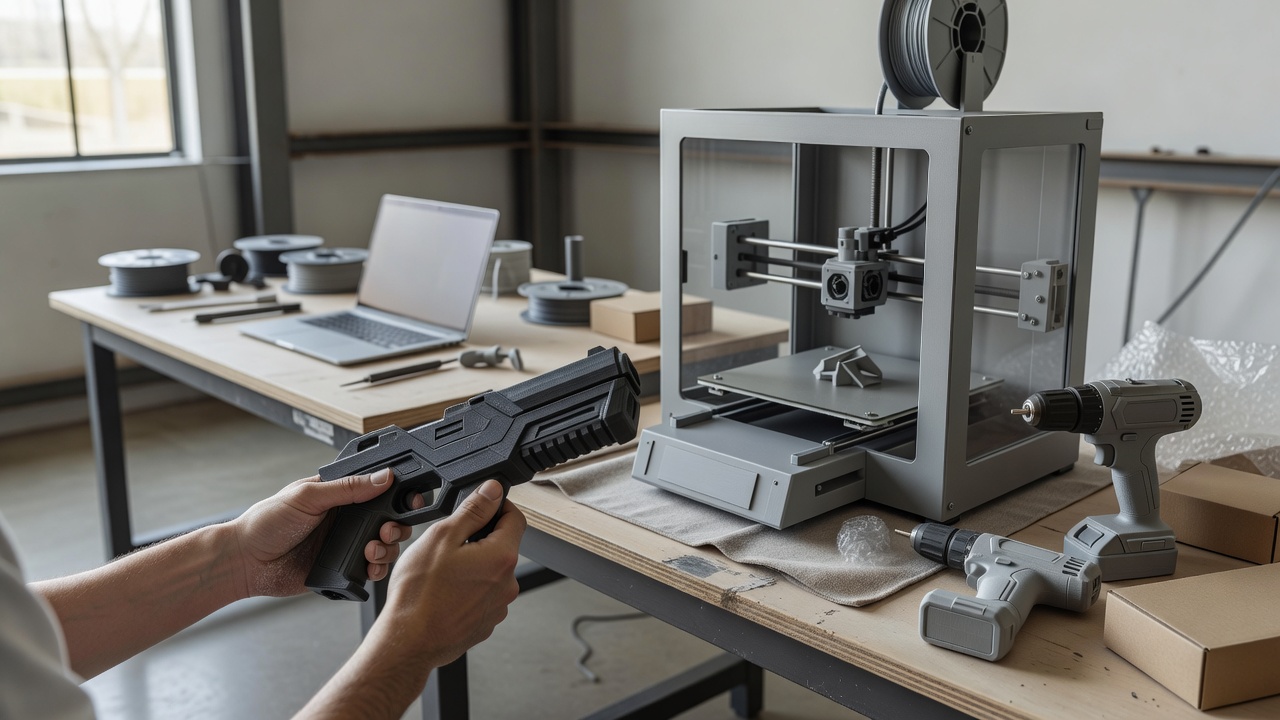
Investigating 3D printed props for sci-fi events starts with matching the prop to your display needs and event timeline. Collectors often seek items that arrive ready to use rather than requiring further work. Fusion Dynamix produces these pieces in a Houston studio with hand-checked quality at every stage.
You receive tracked shipping within 3–7 business days on made-to-order items. The process emphasizes premium finish and exact dimensions suited to costumes, table displays or stage setups. Primary considerations include material selection, finish level and integration with existing costume elements.
Key Takeaways for Prop Selection
- Verify material strength before ordering articulated pieces.
- Confirm color matching for team or faction themes.
- Request turnaround estimates that align with event dates.
- Compare surface finish options for indoor versus outdoor use.
- Check weight limits for wearable props.
- Review packaging details for safe arrival.
- Assess joint durability for repeated assembly and disassembly.
Materials and Finishes for Durable Props
Common materials include PLA for lightweight display items and PETG for items that need extra impact resistance. Each choice affects how the prop holds up during transport and repeated handling. NIST guidelines on additive manufacturing materials help clarify performance differences across filament types.
Premium finish steps remove visible layer lines and add a consistent surface that photographs well under event lighting. Hand-checked inspection ensures no defects reach the final package. Trade-offs appear when balancing weight against strength for props carried throughout long convention days.
- PLA: best for static display pieces under 12 inches.
- PETG: suited for props that may experience minor bumps.
- ASA: provides UV resistance for outdoor photo shoots.
- TPU: flexible sections such as grips or hinges.
- Nylon: high-wear components like clips or mounts.
- ABS: offers good post-processing options for painting.
Sourcing Custom Commissions
Custom commissions allow exact scaling to your reference photos or measurements. The studio works from provided files or creates new models based on clear descriptions.
Custom 3D printed toys for Star Wars display cases illustrate how specific fandom requests translate into finished pieces. Similar workflows apply to other franchises.
Turnaround and Shipping Details
Production begins once the quote is approved. Most sci-fi props complete within 3–7 business days before shipping from Houston, TX.
Tracked delivery reaches destinations across the United States. Collectors planning multi-event seasons can stagger orders to maintain a rotating display inventory. Weather delays remain rare but can affect the final delivery window during peak convention months.
Comparing Prop Types for Events
| Prop Type | Typical Material | Finish Level | Best Event Use Case | Weight Range |
|---|---|---|---|---|
| Articulated figures | PLA or PETG | Premium | Table or shelf display | 150–400 g |
| Static helmets | ASA | Premium | Costume or photo backdrop | 600–900 g |
| Weapon replicas | PETG | Standard | Stage or cosplay safe use | 300–700 g |
| Small accessories | PLA | Premium | Keychains or belt items | 50–150 g |
Investigating 3D Printed Props for Sci-Fi Events
Start by listing the dimensions and functions required at the event. Cross-reference these against available custom options to identify gaps that need new commissions.
Custom builds for collector events shipped from Houston provide examples of completed projects that met similar timelines. Review those cases before finalizing your list.
- Measure your carrying case or display shelf first.
- Photograph reference angles from multiple sides.
- Note any moving parts needed for demonstrations.
- Record color references with hex codes when possible.
- Test scale against your own height for wearable items.
Premium Finishes and Display Quality
Premium finishes compared for articulated figures detail how sanding and coating choices affect light reflection and joint movement. These details matter when props appear in photos or videos from the event.
Hand-checked quality control confirms that joints operate smoothly and surfaces remain consistent across the entire piece. Different finish levels also influence how well the prop matches other collectibles already in your display case.
Safety Standards for Event Props
Event organizers often require props to meet basic safety thresholds before stage or hall entry. CPSC safety recommendations for consumer products outline testing approaches for small parts and sharp edges that apply to custom prints.
ASTM standards overview for additive manufacturing further guides material selection when props must withstand repeated handling. These references help collectors prepare documentation for venue approval processes.
- Inspect edges for burrs after printing.
- Verify no loose components in articulated sections.
- Confirm non-toxic filament certification for close-contact use.
- Label props with material type for fire-code compliance.
- Avoid metal inserts that trigger security scanners.
Overcoming Fabrication Challenges
Common issues include warping on large flat surfaces and weak points at thin joints. Solutions range from adjusted infill patterns to reinforced internal supports chosen during the design phase.
- Increase wall thickness on high-stress areas.
- Use orientation adjustments to reduce layer separation risk.
- Apply primer before final paint for better adhesion.
- Test fit multiple times during the approval stage.
- Request reinforced versions for props over 18 inches.
Where to Request Quotes
Quotes for one-of-a-kind toys: custom Houston prints outline the information needed for accurate pricing. Include reference images, scale, and intended use to receive a tailored response.
Articulated figures vs static collectibles for display helps decide between moving and fixed options based on your event plans.
Next Steps After Investigation
- Compile measurements and reference images for your top three props.
- Submit a quote request through the studio site at https://fusiondynamix.shop.
- Compare the returned timeline against your event calendar.
- Approve the design file before production begins.
- Schedule follow-up orders for replacement or additional pieces.
- Document final dimensions for future custom requests.
Frequently Asked Questions
How long does production take for a custom sci-fi prop?
Most orders finish in 3–7 business days once the design is approved, followed by tracked shipping from Houston, TX.
What materials work best for wearable props?
PETG and ASA provide the necessary strength while remaining lightweight enough for extended wear during events.
Can I request color matching to existing costume pieces?
Yes. Provide reference photos or hex codes so the studio can match team or faction colors during printing.
Are props inspected before shipping?
Every print receives a hand-checked review for surface quality, joint function and dimensional accuracy.
Do you offer scale adjustments for display cases?
Custom commissions include size modifications to fit specific shelves or carrying cases you already own.