3D Prints vs Mass Produced Collectibles for Displays
Compare 3D prints vs mass produced collectibles to select the right solution for collector displays. Fusion Dynamix delivers precision builds with premium fin
3D Prints vs Mass Produced Collectibles for Displays
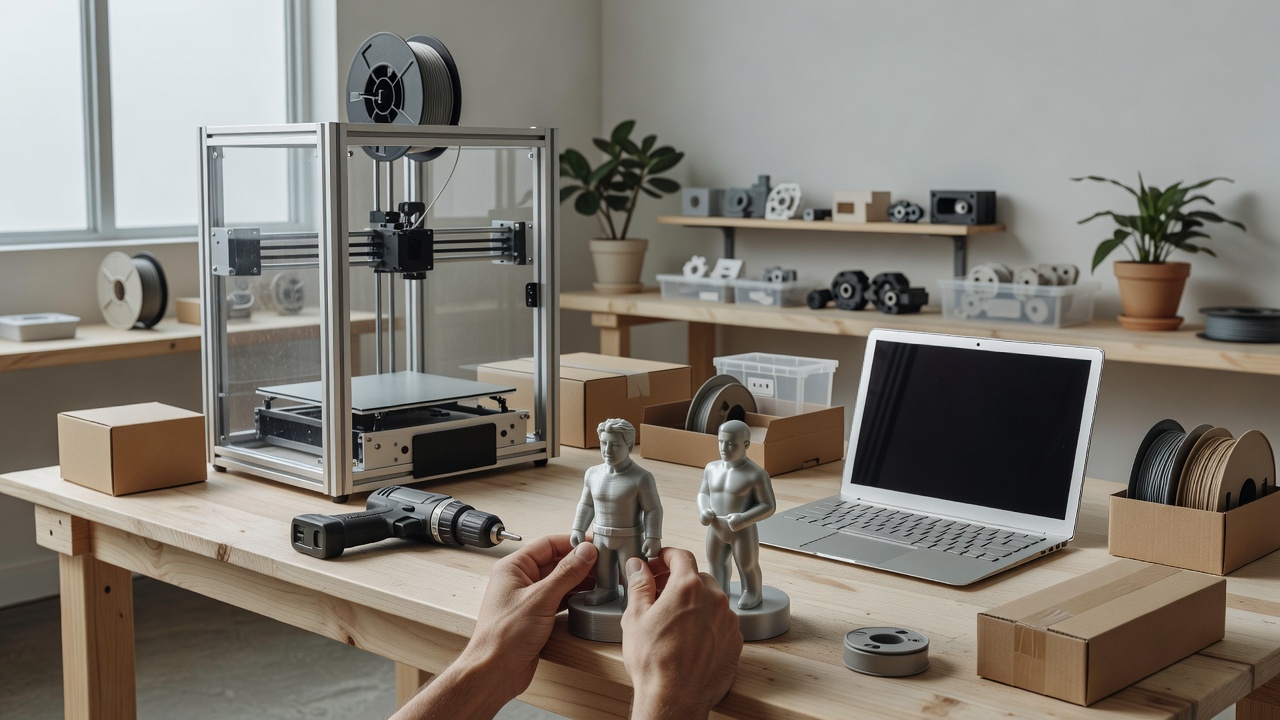
Collectors often face a direct choice when building displays: opt for 3D prints vs mass produced collectibles. The first option provides hand-finished pieces tailored to exact needs, while the second relies on uniform factory output. Fusion Dynamix addresses this by producing small-batch items in Houston that meet precise display requirements.
Key takeaways
- Precision builds deliver custom fit and premium finish for specific shelves or cases.
- Mass produced items often show visible seams and limited detail retention over time.
- Houston studio production includes hand-checked quality before tracked shipping.
- Turnaround stays consistent at 3–7 business days for most orders.
Key Differences in 3D Prints vs Mass Produced Collectibles
3D prints vs mass produced collectibles starts with production method. Small-batch studios create each piece from digital files with controlled layer heights and infill settings. Factory lines stamp identical units without individual inspection.
- Layer alignment remains consistent across visible surfaces.
- Surface sanding and sealing steps occur after printing.
- Color matching uses studio-selected filaments rather than stock dyes.
- Edge definition holds on articulated joints and fine features.
Mass options skip these steps to maintain volume. The result appears acceptable from a distance but shows wear under close view. Additional distinctions appear in repeatability, where studio processes allow minor adjustments per batch while mass lines enforce strict uniformity that can limit adaptation to collector feedback.
Durability Factors for Long-Term Shelves
Display longevity depends on material behavior and post-processing. Houston-made prints receive reinforcement at stress points before final checks.
- Infill density supports repeated handling without flex.
- Sealed surfaces resist dust accumulation.
- Joint tolerances prevent loosening after months on display.
Mass produced versions use thinner walls and lower-density fills. Collectors report cracking at base edges within one year of regular cleaning. According to NIST guidelines on additive manufacturing materials, controlled infill and post-processing improve structural integrity compared with high-volume molding techniques.
Material Choices and Their Impact on Displays
Material selection influences both appearance and resilience in collector settings. Fusion Dynamix evaluates filament properties such as tensile strength and UV resistance before committing to a build.
- PLA offers sharp detail for indoor figures but requires careful sealing against humidity.
- PETG provides better impact resistance for items handled during events.
- ABS withstands higher temperatures yet demands precise cooling to avoid warping.
- Specialty blends incorporate metallic or translucent effects for sci-fi ornaments.
Trade-offs emerge when balancing cost against performance. A higher-grade filament increases print time yet reduces long-term replacement needs. Collectors weighing 3D prints vs mass produced collectibles often note that mass items use commodity resins prone to yellowing after prolonged light exposure.
Customization Paths for Specific Collections
Custom commissions allow exact scale and mounting options. Fusion Dynamix provides custom desk accessories Houston that match existing shelf dimensions.
- Scale adjustments fit narrow cases or deep cabinets.
- Color requests align with team palettes or film references.
- Mounting holes or stands integrate directly into the model.
- Gift sets combine multiple related items in one order.
Mass produced lines limit buyers to catalog selections. Changes require waiting for new production runs. Studio flexibility also extends to iterative revisions, where initial samples receive collector approval before final production begins.
Finish Quality and Hand Inspection Process
Premium finish results from sequential sanding, priming, and coating. Every print passes through hand-checked quality review before packaging.
- Visible layer lines receive targeted smoothing.
- Paint application follows collector-preferred sheen levels.
- Final inspection confirms no warping or support marks.
This sequence produces surfaces ready for immediate placement on collector shelves. Industry references such as ASTM standards for additive manufacturing emphasize the value of post-processing steps that mass production rarely applies uniformly.
Shipping and Turnaround from Houston
Orders ship from Houston, TX within 3–7 business days with tracking. 3D printed bookends for precise collector shelves follow the same schedule and arrive ready to use.
- Studio location enables same-day production start for confirmed files.
- Packaging protects delicate features during transit.
- Nationwide delivery uses standard carriers with delivery confirmation.
Mass produced items may arrive faster from central warehouses but lack the same origin traceability. Local production also supports quicker revisions if a collector requests a minor adjustment after initial review.
Comparison of Options
| Aspect | Precision 3D Prints | Mass Produced Collectibles |
|---|---|---|
| Finish | Sanded and sealed premium surface | Visible seams and basic coating |
| Customization | Full scale and color options | Limited to catalog items |
| Origin | Made and shipped from Houston, TX | Factory overseas or domestic bulk |
| Turnaround | 3–7 business days | Stock dependent |
| Inspection | Hand-checked quality per piece | Batch sampling only |
Display Stand and Accessory Integration
3D printed display stands compared to basic options shows how integrated stands improve stability. Collectors pair these with bookends or nameplates for cohesive setups.
- Stands match exact base contours of figures or models.
- Material choice prevents scratching on wood or glass shelves.
- Height adjustments align multiple items at eye level.
Mass alternatives require separate purchases and often mismatch dimensions. Integrated solutions also reduce the number of separate components that can shift during cleaning.
Ordering Process for Star Wars and Sports Items
How to order 3D printed Star Wars keychains from Houston outlines file submission and quote steps. Similar flow applies to team coasters or ornaments.
- Submit reference images or measurements for review.
- Receive quote within one business day.
- Approve and enter production queue.
- Track shipment once complete.
Evaluating Print Quality Through Established Metrics
Quality assessment relies on measurable criteria rather than visual inspection alone. Layer height consistency, surface roughness values, and dimensional accuracy all factor into final acceptance.
- Typical studio layer heights range from 0.1 mm to 0.2 mm for visible surfaces.
- Roughness targets stay below 50 microns after sanding sequences.
- Tolerance checks verify critical dimensions within 0.3 mm of the source file.
These metrics help collectors compare 3D prints vs mass produced collectibles when long-term display clarity matters. University research on additive processes, such as MIT additive manufacturing studies, confirms that controlled post-processing elevates performance beyond standard injection-molded parts.
Conclusion
Select 3D prints when display precision and finish matter more than immediate stock availability. Next steps include:
- Measure your current shelf space and note required dimensions.
- Gather reference images for any custom elements.
- Request a quote through the Houston studio site.
- Review the comparison table again before final selection.
FAQ
How long does production take for custom display pieces?
Most orders complete in 3–7 business days before tracked shipping begins from Houston.
What finish level can collectors expect on precision builds?
Pieces receive sanding, priming, and sealing to achieve a premium surface free of visible layer lines.
Do mass produced collectibles hold up for repeated handling?
Factory items often develop cracks or loose joints faster due to thinner walls and lower infill.
Can I request specific colors for team or film displays?
Yes. Studio filament selection supports custom color matches for sports or sci-fi themes.
Where are the prints made and inspected?
All items originate from the Fusion Dynamix studio in Houston, TX and pass individual hand-checked quality review.