How to Order Precision 3D Printed Tools for Research Labs
Learn how to order precision 3d printed tools from a Houston studio for research labs, including custom commissions with hand-checked quality and 3–7 business
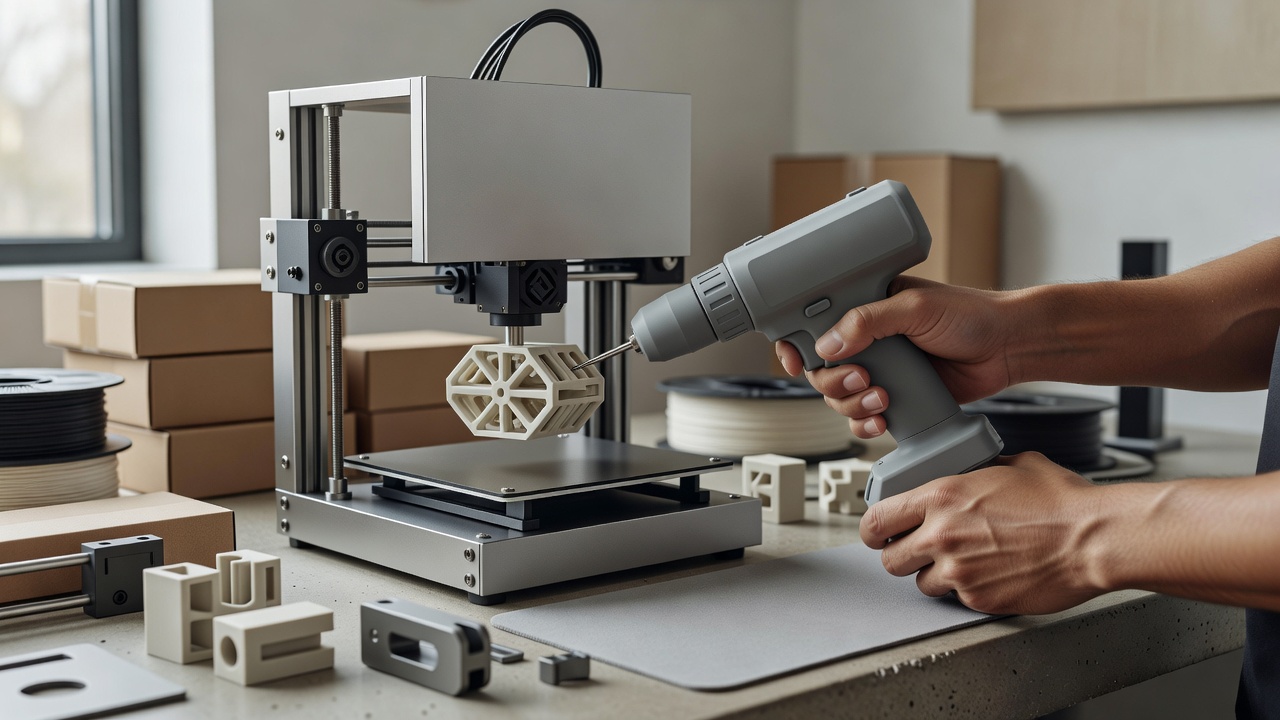
Research labs often need fixtures and components that match exact specifications. Ordering precision 3d printed tools starts with a clear list of dimensions, material needs and functional requirements.
Fusion Dynamix produces these items in Houston as a small-batch 3D printing studio. Every piece receives hand-checked quality before shipment in 3–7 business days.
Key Takeaways
- Start with precise measurements and intended use cases.
- Choose materials suited to chemical or mechanical demands.
- Request a custom quote that includes finish options.
- Confirm turnaround times before placing the order.
- Verify hand-checked inspection steps for each build.
Define Your Lab Requirements
Begin by listing the exact dimensions and tolerances required. Note any chemical exposure, temperature range or load-bearing needs. This step prevents mismatches that waste time and material during production. Labs that skip detailed planning often request revisions after the first sample arrives.
A short specification document helps the studio match the build parameters. Include sketches or reference models when available. The document should also cover any regulatory standards the part must meet.
- Record overall size in millimeters
- List mounting hole diameters
- Note surface finish expectations
- Identify chemical compatibility needs
- Specify color or opacity preferences
- Document maximum operating temperature
- Indicate required load capacity in kilograms
Choose Materials for Scientific Prints
Material selection affects durability and performance in lab settings. Common options include PETG for chemical resistance and nylon for flexibility. Each material brings trade-offs in strength, flexibility and cost that must align with the tool’s daily use.
Discuss layer height and infill density with the studio to balance strength and weight. Higher infill increases rigidity for structural parts. Review material data sheets before final selection to confirm suitability.
- PETG for solvent exposure
- ABS for higher temperature tolerance
- Nylon for impact resistance
- PLA for non-critical display models
- TPU for flexible seals or grips
- Polycarbonate for high-strength fixtures
Evaluate Print Parameters for Precision Builds
Print parameters directly influence the accuracy and surface quality of lab tools. Layer height, infill pattern and wall thickness determine how well a part holds tolerances under repeated use. Studios typically recommend 0.2 mm layers for visible surfaces and 0.15 mm for mating surfaces.
Infill percentage affects both weight and rigidity. A 20 percent infill works for light fixtures while 40 percent suits parts that clamp or support equipment. Orientation on the build plate also matters because it changes layer direction relative to applied forces.
- Select layer height based on tolerance needs
- Set infill to 20–40 percent for most fixtures
- Align part orientation with load direction
- Choose gyroid or cubic infill for even strength
- Request brim or raft for small base areas
Request a Custom Quote
Send your specifications to Fusion Dynamix for a same-day custom quote. Include any reference files or photos of similar parts. The studio reviews each request for printability and suggests adjustments. See details in 3D Prints for Lab Experiments from Houston Studio for recent lab examples.
Provide clear notes on any post-processing such as smoothing or threading. This information helps the studio quote accurate turnaround and pricing.
- Provide CAD files or sketches
- State quantity and delivery date
- Note any branding or labeling needs
- Confirm mounting or assembly requirements
- List any post-print finishing steps
Compare Ordering Options
| Method | Turnaround | Customization Level | Best For |
|---|---|---|---|
| Local university shop | 2–4 weeks | Moderate | Standard fixtures |
| Online marketplace | 1–3 weeks | Low | Generic shapes |
| Fusion Dynamix Houston studio | 3–7 business days | High | Precision lab tools |
| Overseas vendor | 4–8 weeks | Variable | High volume runs |
Verify Quality Standards
Every print undergoes hand-checked inspection for layer adhesion and dimensional accuracy. This step reduces the chance of fit issues once the part arrives. Studios follow internal checklists that cover both visual and measured criteria.
Lab professionals often compare Houston options with university services. Read Houston Lab Prints vs University Options: Key Differences to understand typical differences in speed and finish. Additional checks against published standards help ensure consistency across batches.
- Visual inspection under magnification
- Caliper verification of critical dimensions
- Fit test with mating components
- Surface smoothness check
- Review against NIST additive manufacturing guidelines
Plan for Shipping and Turnaround
Items ship from Houston, TX with tracking. Standard delivery falls within 3–7 business days after approval. Complex geometries may require an extra day for support removal and surface checks.
Add buffer time for complex builds that require multiple test prints. Rush options may be available for urgent lab deadlines. Confirm packaging requirements if the tools will travel through varying climates.
- Confirm shipping carrier
- Request tracking number
- Allow extra days for international addresses
- Note any temperature-sensitive packaging needs
- Verify insurance coverage for high-value orders
Integrate Tools into Lab Workflows
Once received, test each tool in its intended setup before full use. Document any adjustments needed for future orders. Many labs maintain a digital library of approved designs so replacements can be ordered quickly.
Why Lab Professionals Choose Houston 3D Printed Tools explains common selection criteria. Proper storage and handling extend the service life of printed components.
- Record part numbers and print settings
- Store digital files for reorders
- Schedule periodic quality checks
- Train staff on proper handling
- Log usage hours to predict replacement timing
Test Printed Components for Lab Safety
Before placing new tools into active experiments, run controlled validation tests. These tests confirm that the part performs under expected chemical, thermal and mechanical loads. A simple soak test in the target solvent for 24 hours reveals any material degradation.
Mechanical tests such as torque or compression checks ensure the tool will not fail during critical procedures. Record results and compare them against original specifications. When results fall short, request a revised print with adjusted parameters.
- Perform solvent soak tests for 24 hours
- Conduct torque tests on threaded features
- Measure deflection under expected load
- Check for warping after temperature cycling
- Document all test outcomes for future reference
- Compare results to ASTM additive manufacturing standards
Conclusion
Clear specifications and direct communication with a Houston studio produce reliable precision 3d printed tools. Begin by preparing your measurements and material list, then request a quote through the studio site at Fusion Dynamix.
Next Steps
- Compile a one-page specification sheet
- Select two or three material options
- Submit the request for review
- Compare the returned quote with your timeline
- Place the order once details are confirmed
FAQ
What file formats work best for custom lab orders?
STL and STEP files provide the clearest data for the studio to prepare builds accurately.
How long does a typical order take from quote to delivery?
Most precision 3d printed tools ship within 3–7 business days after design approval.
Can the studio match existing lab equipment colors?
Yes, standard filament colors and custom blends are available for identification purposes.
Are these prints suitable for autoclave sterilization?
Certain high-temperature materials withstand autoclave cycles when specified during quoting.
What happens if a part does not fit on arrival?
The studio reviews the original specifications and reprints the item at no additional cost when the error is on the production side.