Precision 3D Printed Fixtures for University Labs
Precision 3d printed fixtures university research labs require offer custom accuracy and durability. Fusion Dynamix supplies hand-checked lab-grade prints mad
Precision 3D Printed Fixtures for University Labs
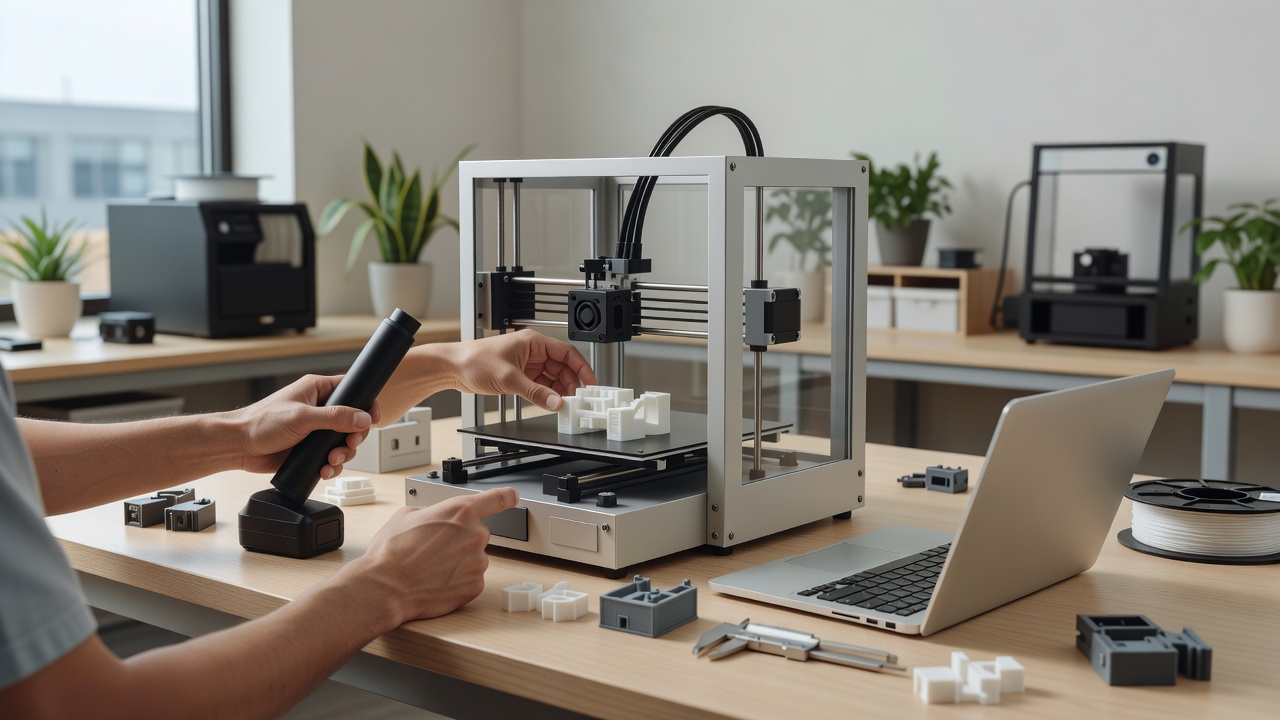
University research teams often need fixtures that match exact dimensions and withstand repeated use. Precision 3d printed fixtures university settings demand solve alignment and mounting issues that off-the-shelf parts cannot address.
Fusion Dynamix produces these items in Houston as small-batch orders. Each piece receives hand checks before shipping in 3–7 business days.
Key takeaways
- Custom dimensions reduce setup time in experiments
- Hand-checked quality supports reproducible results
- Houston origin allows tracked delivery across the country
- Lab & Scientific category covers racks, holders, and mounts
Common Fixture Types Used in Research
Labs request several standard forms that fit existing equipment.
- Tube holders sized for specific diameters
- Alignment jigs for optical benches
- Mounting plates with integrated slots
- Sample trays divided into measured compartments
- Electrode stands that maintain fixed spacing
- Sensor brackets with cable routing channels
- Custom adapters for legacy instruments
- Vibration dampening bases for sensitive scales
These options appear in the Lab & Scientific category and ship ready for immediate installation.
Material Choices and Performance Trade-offs
Material selection affects chemical resistance and mechanical strength. Teams should evaluate exposure risks before finalizing an order.
| Material | Chemical Resistance | Temperature Range | Typical Use Case |
|---|---|---|---|
| PLA | Low | Up to 60 °C | Low-load alignment tools |
| PETG | Medium | Up to 70 °C | General sample holders |
| Nylon | High | Up to 80 °C | Repeated handling fixtures |
| ABS | Medium-High | Up to 75 °C | Enclosures with moderate solvents |
Choose based on the reagents and temperatures present in your protocol. Review NIST resources on additive manufacturing for additional performance data.
How Precision Builds Improve Reproducibility
Printed fixtures hold tolerances within 0.2 mm when infill reaches 40 percent. This consistency helps teams repeat measurements across multiple sessions.
- Reduced vibration during sensitive readings
- Fixed positions that eliminate manual adjustments
- Labeled surfaces that prevent mix-ups between similar parts
- Stackable designs that save bench space
- Integrated measurement scales for quick verification
- Threaded inserts that accept standard lab hardware
Researchers report fewer setup errors after switching from improvised clamps.
Ordering Process for Lab Commissions
The studio follows a clear sequence for every custom request.
- Submit dimensions and material preferences
- Receive a same-day quote with lead time estimate
- Approve the design file for printing
- Monitor tracked shipment once the order leaves Houston
- Inspect the hand-checked part upon arrival
- Provide feedback for future iterations if needed
Details appear in the guide on lab scientific commission quotes.
Comparison with Traditional Machined Parts
Printed fixtures suit many academic budgets and timelines.
- Machined aluminum offers higher stiffness but requires longer lead times
- Printed PETG provides adequate strength for most non-load applications at lower cost
- Both options allow design iterations within a single week
- Printed versions support rapid prototyping of complex internal channels
University teams often start with printed versions before committing to metal production runs.
Integration with Existing Lab Equipment
Fixtures must interface cleanly with microscopes, centrifuges, and incubators.
- Threaded inserts match standard metric hardware
- Clearance holes accommodate common bolt sizes
- Non-slip bases prevent sliding on stainless surfaces
- Color coding helps distinguish sets used in different rooms
- Modular extensions that connect to existing rack systems
See examples in the article on how to order 3D printed lab racks.
Design Considerations for Custom Fixtures
Effective designs balance function with printability. Early input on load paths and access points improves outcomes.
- Wall thickness minimums that maintain rigidity without excess material
- Support placement that avoids critical mating surfaces
- Fillet radii that reduce stress concentrations
- Vent holes that prevent trapped resin in enclosed volumes
- Orientation marks that aid correct installation
- Weight reduction patterns that preserve strength
Consult OSHA laboratory safety guidelines when fixtures will contact hazardous substances.
Quality Checks Performed Before Shipping
Every print undergoes documented inspection steps.
- Layer adhesion test on sample coupons
- Dimensional verification with digital calipers
- Surface finish review under direct light
- Functional fit test against reference models
- Final cleaning and packaging in protective wrap
- Documentation of batch number for traceability
These steps support the 5-Star Rated on Etsy reputation for lab-grade prints.
Classroom and Research Model Applications
Printed models also serve teaching labs that need durable demonstration pieces.
- Scaled molecular models for lecture halls
- Cutaway views of fluidic channels
- Modular stands for group experiments
- Anatomical replicas for biology courses
- Reaction vessel holders for chemistry demos
Further guidance is available in the post about 3D printed lab models Houston.
Safety Protocols When Using Printed Fixtures in Labs
Proper handling extends service life and protects personnel.
- Store fixtures away from direct UV sources to prevent degradation
- Inspect for cracks before each use in high-load applications
- Clean with compatible solvents only
- Dispose of worn parts according to institutional waste rules
- Label each fixture with material type and maximum temperature
Additional biosafety practices appear in CDC laboratory guidelines.
Conclusion
Precision 3d printed fixtures university teams adopt reduce variability and speed experimental setup. Contact Fusion Dynamix for a quote on your next requirement.
Next steps
- Measure the critical dimensions of your current setup
- Note any chemical or temperature constraints
- Submit the details through the contact form at https://fusiondynamix.shop
- Review the returned quote within one business day
- Approve the file to begin production
- Schedule a follow-up inspection after first use
FAQ
What turnaround applies to custom lab fixtures?
Production and hand checks complete in 3–7 business days before tracked shipping from Houston.
Which materials suit chemical exposure?
PETG and nylon resist most common lab solvents better than standard PLA.
Can dimensions be adjusted after the first print?
Yes. Revised files are accepted at no extra charge during the quote stage.
How are fixtures packaged for nationwide delivery?
Each item receives bubble wrap and a rigid mailer to prevent damage in transit.
Do orders include mounting hardware?
Hardware is supplied when specified in the original request.