Precision Builds for University Research Projects in Houston
Learn how to source precision 3D prints for university research projects from a Houston studio. Discover custom lab-grade options, specifications, and 3–7 bus
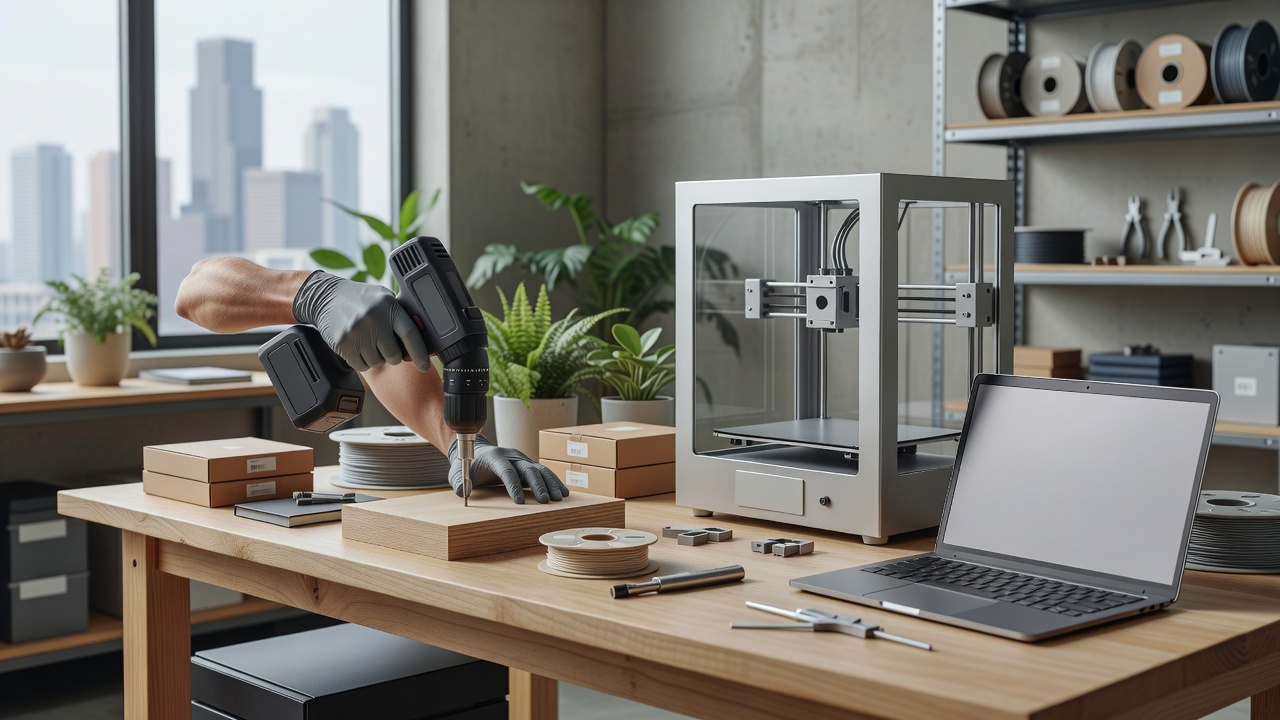
University researchers often need custom fixtures, holders, and models that standard suppliers cannot deliver on short notice. Fusion Dynamix produces lab-grade prints tailored to exact specifications and ships them from Houston, TX within 3–7 business days. The studio focuses on precision builds that support repeatable experiments across engineering, biology, and materials science departments.
The process starts with clear design files and material choices that match the intended lab environment. Researchers receive hand-checked parts that integrate directly into existing workflows. This article outlines the steps to request, review, and receive precision builds that support repeatable experiments.
Key Takeaways
- Define dimensions, tolerances, and material needs before submitting files.
- Choose infill and layer height based on mechanical or chemical exposure.
- Request hand-checked parts with tracked shipping from Houston.
- Allow 3–7 business days for production and delivery.
- Verify fit in your workflow before ordering multiples.
Steps to Request a Custom Quote
Submit a request through the studio site with the following details.
- Upload STL or STEP files with clear scale references.
- List required tolerances and surface finish expectations.
- Specify any chemical or temperature resistance needs.
- Indicate quantity and preferred delivery window.
- Note any mounting holes or integration points.
Review the quote for layer height, infill percentage, and estimated weight. Approve only after confirming these parameters match your protocol. The studio provides a revised file preview when adjustments improve print success rates.
Materials Suitable for Laboratory Use
Select materials that withstand solvents, autoclave cycles, or repeated handling.
- PLA for low-stress visual models and non-reactive fixtures.
- PETG for moderate chemical exposure and higher impact strength.
- Nylon for flexible components that require repeated flexing.
- ASA for outdoor or UV-exposed test rigs.
Each material ships with a premium finish that reduces post-processing time in the lab. Researchers can cross-reference material performance data through NIST additive manufacturing resources before final selection.
Comparison of Print Specifications
| Specification | Visual Model | Functional Fixture | Chemical-Resistant Part |
|---|---|---|---|
| Layer height | 0.2 mm | 0.15 mm | 0.1 mm |
| Infill | 15% | 40% | 60% |
| Material | PLA | PETG | Nylon |
| Typical use | Display mounts | Test tube racks | Solvent baths |
Choose the row that aligns with your experimental demands rather than default settings. Adjust infill patterns when vibration resistance matters in dynamic test rigs.
Design File Checklist
Prepare files that reduce revision cycles.
- Include all critical dimensions with tolerances.
- Add reference planes for orientation during printing.
- Mark areas that require support removal access.
- Note any threads or press-fit features.
- Provide a scale reference object in the same file.
Accurate files shorten the review phase and keep the project on the 3–7 business day schedule. Include a short note on expected load directions when the part supports sensors or optics.
Maintaining Reproducibility in Research Setups
Consistent part geometry directly affects data reliability across repeated trials. Researchers document every dimension change so subsequent orders match the original print exactly. The studio records orientation and support settings for each approved file, allowing quick replication months later.
Print orientation affects both strength and surface quality on functional surfaces. Horizontal builds often reduce visible layer lines on measurement faces. Vertical builds improve accuracy on cylindrical features used in alignment jigs. Test one orientation first when the part interfaces with calibrated lab instruments.
Track material lot numbers if your protocol requires traceability. Fusion Dynamix notes filament batch details on the packing list for regulated environments. This practice supports compliance when results feed into grant reports or publications.
Integration with Existing Lab Equipment
Many researchers combine new prints with microscope stands or test tube holders already in use. Compare 3D printed microscope stands for lab workflows to see adjustable options that maintain alignment under repeated use.
For tube organization, review 3D printed test tube holders: custom lab workflow guide before ordering sets that match your rack footprint. Custom adapters can bridge older equipment with new sensor mounts when standard commercial parts fall short.
Turnaround and Shipping Details
Production begins the same day a quote is approved. Each part receives hand inspection for layer consistency and surface quality before packaging. Houston prints for engineering students: project needs explains how the studio maintains tracked shipping across the United States.
All orders include the origin statement Made & shipped from Houston, TX on the packing slip. Researchers in time-sensitive grant cycles often schedule standing orders for recurring fixtures.
Common Specification Errors to Avoid
- Omitting chemical compatibility data leads to material swaps after first use.
- Under-specifying infill causes deformation under load.
- Ignoring hole tolerances results in loose or tight fits on assembly.
- Forgetting scale references forces manual resizing during review.
Address these points in the initial request to prevent delays. Add a simple tolerance stack-up diagram when multiple printed parts must assemble with purchased hardware.
Next Steps
- Gather your design files and tolerance notes today.
- Visit Fusion Dynamix to submit a request for lab-grade prints.
- Confirm material choice against your protocol safety sheet.
- Schedule delivery within your grant or experiment timeline.
- Inspect the first shipment against your checklist before scaling quantity.
Frequently Asked Questions
What file formats does the studio accept for research parts?
STL and STEP files are standard. Include a PDF drawing with tolerances when possible.
How does layer height affect chemical resistance?
Finer layers reduce surface porosity, which improves performance in solvent environments.
Can prints be autoclaved?
PETG and nylon options tolerate standard autoclave cycles when specified during quoting.
What is the minimum order quantity?
Single parts are accepted. Volume pricing begins at ten identical units.
Does the studio provide material data sheets?
Yes. Each material ships with the manufacturer datasheet for your lab records.