How to Order Advanced Lab Fixtures from Houston
Learn how to source advanced lab fixtures through custom 3D printing. Fusion Dynamix delivers precision builds with premium finish, made and shipped from Hous
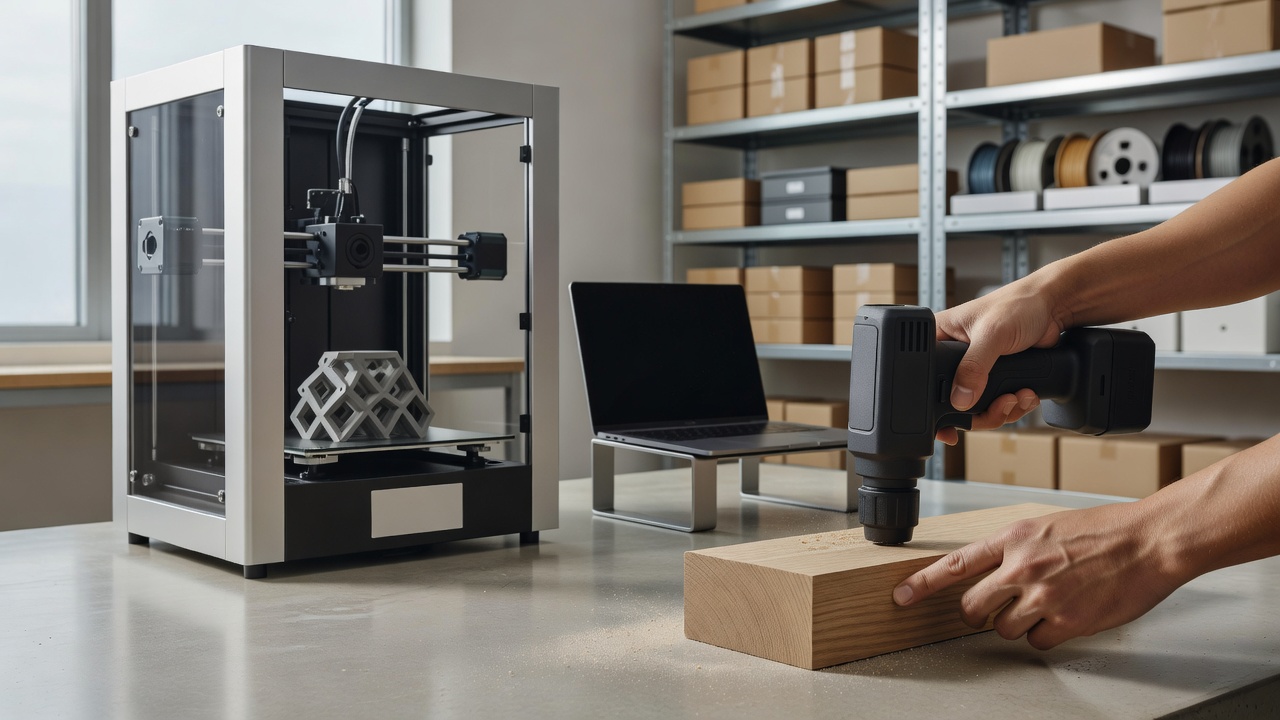
You need fixtures that fit exact dimensions and withstand daily lab use. Advanced lab fixtures from a small-batch studio meet those requirements without the delays of mass production.
Fusion Dynamix produces these parts in Houston. Each build receives hand checks before shipment.
Key takeaways
- Define your exact dimensions and load requirements first.
- Choose materials rated for chemical exposure and temperature.
- Request a quote that includes turnaround of 3–7 business days.
- Verify hand-checked quality before final approval.
- Document all environmental factors including humidity and vibration levels.
Assessing Your Lab Fixture Requirements
Start by measuring the space where the fixture will sit. Record mounting hole locations and clearance needs.
List the forces the part must resist. Include vibration, weight of equipment, and any repeated handling.
- Record base dimensions to 0.5 mm
- Note hole diameters and thread sizes
- Specify maximum height and width
- Identify chemical contact points
- List operating temperature range
- Measure available bench depth and width
- Note any adjacent equipment interference zones
- Document required load-bearing capacity in kilograms
These details guide the design file and material choice. Accurate assessment prevents costly reprints.
Selecting Materials for Precision Builds
Material choice determines chemical resistance and dimensional stability. Common options include PETG for general use and polycarbonate for higher heat.
Fusion Dynamix prints at 0.2 mm layer height with 30 percent infill for most lab fixtures. Higher infill increases rigidity when needed. Review compatibility data from established sources before final selection.
- PETG: good chemical resistance, easy to clean
- Polycarbonate: withstands 110 °C continuous use
- Nylon: flexible clips and snap fits
- ASA: UV stable for windowside setups
- Consider impact resistance for high-traffic benches
- Evaluate moisture absorption rates for humid labs
Test a small sample if your solvents are aggressive. Consult resources such as additive manufacturing guidelines from NIST for material performance data in controlled environments.
Designing Custom Commissions for Lab & Scientific Use
Provide a sketch or CAD file. The studio can refine it for printability while preserving function.
Add features such as cable channels or alignment pins during design. These reduce assembly time later.
Learn how to order precision 3D printed tools for research labs to see examples of fixture geometry.
Comparing Fixture Types
Different fixtures serve different roles. The table below shows common choices and their typical specifications.
| Fixture Type | Typical Material | Layer Height | Infill | Best For |
|---|---|---|---|---|
| Tube racks | PETG | 0.2 mm | 30 % | Solvent exposure |
| Stirrer mounts | Polycarbonate | 0.2 mm | 40 % | Heat and torque |
| Sensor brackets | ASA | 0.2 mm | 25 % | Outdoor or window use |
| Cable guides | Nylon | 0.2 mm | 35 % | Repeated flex |
| Alignment jigs | PETG | 0.2 mm | 30 % | Precision positioning |
Review the options against your measurements before ordering. Each type supports different workflow demands.
Ordering Process and Turnaround
Submit your specifications through the studio site. You receive a quote within one business day.
Once approved, printing begins. Most advanced lab fixtures ship in 3–7 business days.
- Upload measurements or CAD file
- Confirm material and finish
- Approve quote
- Receive tracking number
- Inspect upon arrival
- Verify dimensional accuracy with calipers
- Test fit with sample equipment
See how 3D prints for lab experiments from Houston studio are prepared and checked.
Quality Checks and Premium Finish
Every print passes a visual and dimensional inspection. Surfaces receive light sanding where contact points matter.
The result is a ready-to-install part with clean edges and consistent color.
Houston origin means you avoid long overseas lead times. Parts arrive ready for immediate use in research or teaching labs.
Ensuring Long-Term Durability in Lab Environments
Durability depends on both material selection and post-print treatments. Exposure to repeated cleaning cycles or mechanical stress can degrade lower-quality prints over time.
Apply protective coatings when specified. These extend service life in demanding settings.
- Monitor for warping after initial installation
- Schedule quarterly visual inspections
- Replace clips or pins at first sign of fatigue
- Store spare fixtures in climate-controlled areas
- Log usage hours to predict replacement needs
- Avoid direct sunlight on ASA parts unless UV-stabilized
Houston prints for engineering students demonstrate durable designs tested in academic labs.
Integrating Fixtures into Existing Setups
Align new fixtures with current equipment. Use the same hole pattern or add adapters during the design stage.
Test fit on a bench before permanent mounting. Minor adjustments remain possible with hand tools.
Review safety protocols from OSHA laboratory safety standards to confirm fixtures meet workplace requirements.
Maintaining and Cleaning Lab Fixtures
Regular maintenance preserves precision and appearance. Use mild detergents compatible with the printed material.
- Wipe surfaces weekly with approved cleaners
- Avoid abrasive pads on finished areas
- Dry thoroughly after cleaning to prevent residue
- Check mounting hardware for loosening
- Reapply any protective coatings annually
These steps keep fixtures functional for years.
Conclusion
Define your measurements, select the right material, and request a quote. Fusion Dynamix will produce the advanced lab fixtures you need.
Next steps
- Prepare a dimensioned sketch or CAD file today.
- Visit https://fusiondynamix.shop to start a custom commission.
- Confirm your material choice against chemical compatibility data.
- Schedule installation after the 3–7 business day window.
- Review maintenance procedures with lab staff.
FAQ
What turnaround applies to advanced lab fixtures?
Standard production takes 3–7 business days from order approval, followed by tracked shipping from Houston.
Which materials suit chemical exposure?
PETG and polycarbonate handle most common lab solvents. Provide your solvent list for a specific recommendation.
Can I order a single fixture or a set?
Custom commissions accept orders of any quantity. Single prototypes and small runs are standard.
How do I confirm fit before full production?
A low-cost test print in the chosen material is available. Approve dimensions on the test piece before the final run.
Are the fixtures ready to install on arrival?
Yes. Each part receives hand finishing and passes inspection. Mount or connect them directly.